

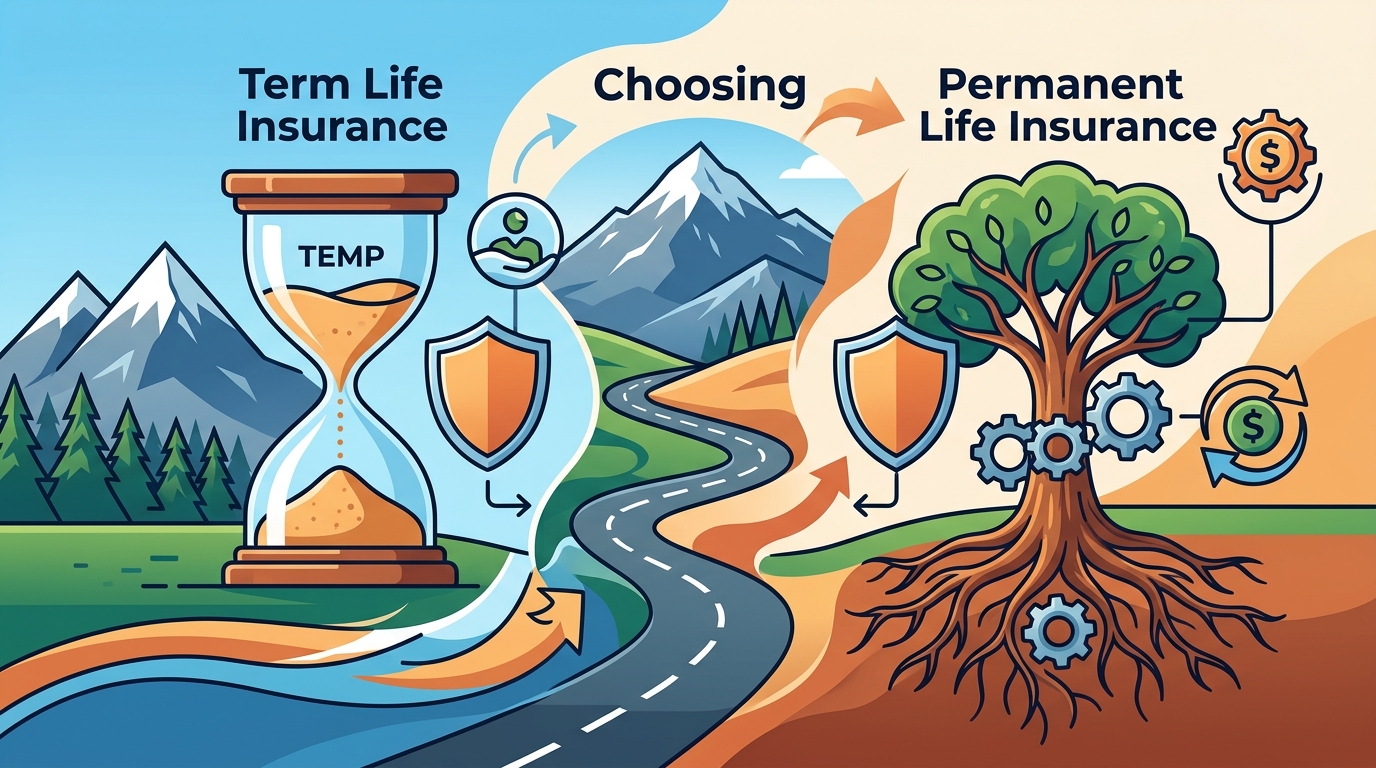
Choosing between basic term, living-benefit term, and permanent life insurance depends on your specific financial goals, health status, and timeline. Basic term offers affordable temporary coverage, while permanent insurance builds cash value and provides lifelong protection. This guide explains how to evaluate these options for Colorado residents. It covers cash value accumulation and income replacement needs to help you make an informed decision with Reynolds Insurance Solutions. For additional details, review the .
Cash Value Accumulation
Permanent life insurance is a type of policy that provides coverage for your entire life while building a cash value component over time. This cash value grows tax-deferred and can be accessed through loans or withdrawals. Understanding how this accumulation works is critical when comparing it to term insurance, which typically has no cash value. For additional details, review the Customer Experience.
How Permanent Policies Build Wealth
Accessing Cash Value
You can borrow against the cash value or take partial withdrawals. Loans must be repaid with interest, and unpaid loans reduce the death benefit. Withdrawals may be tax-free up to the amount of premiums paid. It is important to understand the rules and potential tax implications before accessing these funds. Reynolds Insurance Solutions can help you understand the specific terms of any permanent policy you consider. For additional details, review the Frequently Asked Questions.
Income Replacement Needs
Income replacement is the primary purpose of life insurance for most families. It ensures that your dependents can maintain their standard of living if you pass away. Calculating the right amount of coverage requires analyzing your debts, future expenses, and your family's financial obligations. For additional details, review the About.
Calculating the Right Coverage Amount
A common method is the human life value approach, which estimates the present value of your future earnings. Another method is the needs-based approach, which calculates specific expenses like mortgage payments, education costs, and daily living expenses. You should subtract your existing assets and any other insurance coverage from this total. This ensures you are not over-insured or under-insured.
Term vs. Permanent for Income Replacement
Term insurance is often the most cost-effective way to replace income during your working years. It provides high coverage for a lower premium. Permanent insurance can also replace income but at a higher cost. If your primary goal is income replacement, term insurance may be sufficient. If you also want to build an estate or leave a legacy, permanent insurance might be a better fit.
Key Takeaways
- Permanent life insurance builds cash value, while term insurance does not.
- Cash value in permanent policies grows tax-deferred.
- Income replacement needs should drive your coverage amount calculation.
- Term insurance is generally more affordable for high coverage amounts.
- Permanent insurance provides lifelong coverage and potential estate planning benefits.
- Consult with a professional to determine which type fits your specific goals.
- Reynolds Insurance Solutions offers guidance on both term and permanent options.
Frequently Asked Questions
What is the main difference between term and permanent life insurance?
Term insurance provides coverage for a specific period, while permanent insurance provides coverage for your entire life and builds cash value.
Does term life insurance have any cash value?
Basic term life insurance does not build cash value. Some term policies may offer a return of premium, but this is not the same as cash value.
How much life insurance do I need in Colorado?
The amount you need depends on your income, debts, and family obligations. A needs-based analysis can help determine the right coverage amount.
Is permanent life insurance a good investment?
Permanent life insurance can be a component of a financial plan, but it is not a traditional investment. Its primary purpose is insurance, with cash value as a secondary benefit.
Can I convert term insurance to permanent insurance?
Some term policies include a conversion feature that allows you to switch to permanent insurance without a new medical exam. Check your policy terms for details.
Who should consider permanent life insurance?
Individuals who need lifelong coverage, want to build cash value, or have estate planning goals may consider permanent life insurance.How do I choose between basic term, living-benefit term, and permanent life insurance in Colorado?
Consider your financial goals, health status, and timeline. Basic term is affordable, living-benefit term offers additional benefits, and permanent builds cash value. Consult with a professional to determine the best fit.
Conclusion
Choosing the right life insurance requires careful consideration of your financial goals and needs. Basic term, living-benefit term, and permanent insurance each have distinct advantages. By understanding cash value accumulation and income replacement needs, you can make an informed decision. Reynolds Insurance Solutions is here to help you navigate these options and find the right coverage for your family. Contact Reynolds Insurance Solutions to start your consultation today.