

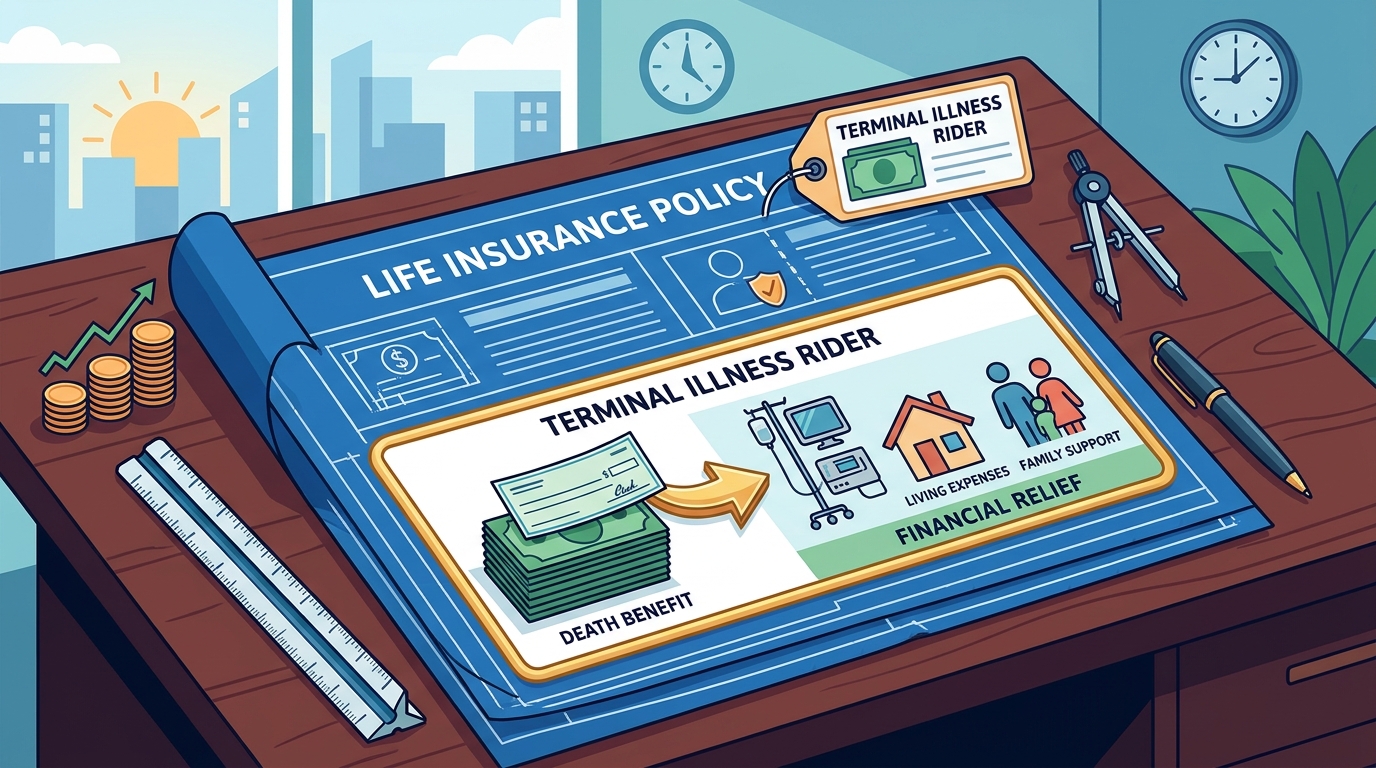
A terminal illness rider allows a policyholder to receive a portion of their life insurance death benefit early if diagnosed with a terminal condition. This feature provides immediate financial relief for medical costs or living expenses. It is not a separate policy but an optional add-on to existing coverage. Understanding how it works helps you plan for unexpected health events with confidence. For additional details, review the .
How the Rider Works
A terminal illness rider is a contractual provision that modifies the standard death benefit payout. When triggered, it allows the insured to access a percentage of the face value. This percentage is typically capped, often at 50% or 75% of the total benefit. The remaining balance is paid to beneficiaries upon death. This structure ensures that some protection remains for your loved ones even after the advance payment. For additional details, review the Customer Experience.
The process begins with a formal request to the insurance carrier. You must provide medical documentation proving the terminal diagnosis. The carrier reviews the claim against the specific policy terms. If approved, the funds are disbursed directly to you. This mechanism transforms a future asset into a present resource during a critical time. For additional details, review the Frequently Asked Questions.
Eligibility and Diagnosis
Eligibility for a terminal illness rider depends on a specific medical definition. A terminal illness is generally defined as a condition with a life expectancy of twelve months or less. This definition is strict and requires certification by a licensed physician. The doctor must confirm that the condition is incurable and that death is expected within the specified timeframe. Vague or uncertain diagnoses usually do not qualify for this specific rider. For additional details, review the About.
It is important to distinguish this from chronic or critical illness riders. Those riders cover conditions that are long-term but not necessarily immediately fatal. A terminal illness rider is specifically for end-of-life scenarios. The documentation required is rigorous. Carriers may require a second medical opinion to verify the prognosis. This ensures that the advance benefit is only paid when the criteria are fully met.
Financial Impact and Tax Implications
The financial impact of using a terminal illness rider is significant. The advance payment is typically tax-free to the recipient. This is a major advantage over other forms of emergency funding. You can use the funds for medical bills, home care, or to settle debts. This flexibility helps reduce the financial burden on your family. It allows you to focus on comfort and quality of life rather than financial stress.
However, the advance payment reduces the total death benefit. If you take 50% of the benefit, your beneficiaries receive the remaining 50%. This reduction is permanent. You should consider how this change affects your estate plan. Consulting with a professional can help you understand the long-term implications. The goal is to balance immediate needs with future obligations.
Costs and Policy Adjustments
Adding a terminal illness rider usually involves an additional premium cost. This cost is calculated based on your age, health, and the size of the policy. It is not a free feature. The premium increase is often modest but should be factored into your budget. Some carriers may offer this rider as part of a broader living benefit package. You should review the specific terms to understand the exact cost structure.
Using the rider does not cancel your policy. The policy remains in force for the remaining benefit. However, the cash value may be affected. If you have a permanent life insurance policy, the cash value might be reduced to cover the advance payment. This reduction impacts the policy's overall value. It is crucial to understand how the advance interacts with your specific policy type. Term policies and permanent policies handle these adjustments differently.
Working with Reynolds Insurance Solutions
Reynolds Insurance Solutions provides guidance on life insurance options that include these features. We help you understand the specific terms of your policy. Our team reviews your coverage to ensure you have the right protections in place. We explain how riders work and what they mean for your family. This educational approach helps you make informed decisions. We do not sell products but provide the information you need to choose wisely.
When considering a terminal illness rider, you should look at the entire policy. The rider is one component of a larger protection strategy. We can help you evaluate different carriers and their specific definitions. This ensures that the coverage aligns with your needs. Our goal is to provide clarity in a complex area. We are here to support you through every stage of life.
Key Takeaways
- A terminal illness rider allows early access to a portion of the death benefit.
- Eligibility requires a diagnosis with a life expectancy of twelve months or less.
- The advance payment is typically tax-free to the recipient.
- Using the rider permanently reduces the total death benefit for beneficiaries.
- Documentation must be rigorous and certified by a licensed physician.
- Reynolds Insurance Solutions provides educational guidance on these policy features.
Frequently Asked Questions
What is the maximum percentage I can access with a terminal illness rider?
The maximum percentage varies by carrier and policy. It is often capped at 50% or 75% of the face value. You should check your specific policy documents for the exact limit. This cap ensures that some benefit remains for your beneficiaries.
Is the money I receive from the rider taxable?
In most cases, the advance payment is tax-free. This is a standard feature of life insurance death benefits. However, tax laws can change. You should consult a tax professional for advice specific to your situation.
Can I use the rider if I have a chronic illness?
No, a terminal illness rider is for terminal conditions. Chronic illnesses are covered by different riders. These riders have different eligibility criteria and payout structures. You should review your policy to see which riders you have.
Does using the rider cancel my policy?
No, the policy remains in force. The death benefit is reduced by the amount you received. The policy continues to provide coverage for the remaining balance. This ensures that your beneficiaries still receive some protection.
How much does it cost to add a terminal illness rider?
The cost depends on your age, health, and policy size. It is an additional premium on top of your base policy cost. The exact amount is determined by the insurance carrier. You should request a quote to see the specific cost.
Who can certify my terminal diagnosis?
A licensed physician must certify the diagnosis. The carrier may require a second opinion. The certification must confirm that the condition is incurable and that death is expected within twelve months. This ensures that the claim meets the policy requirements.
Conclusion
Understanding a terminal illness rider is essential for comprehensive life insurance planning. It provides a vital safety net during difficult times. By knowing how it works, you can make better decisions about your coverage. Reynolds Insurance Solutions is here to help you navigate these options. We provide the information you need to protect what matters most. to learn more about how we can assist you with your insurance needs.